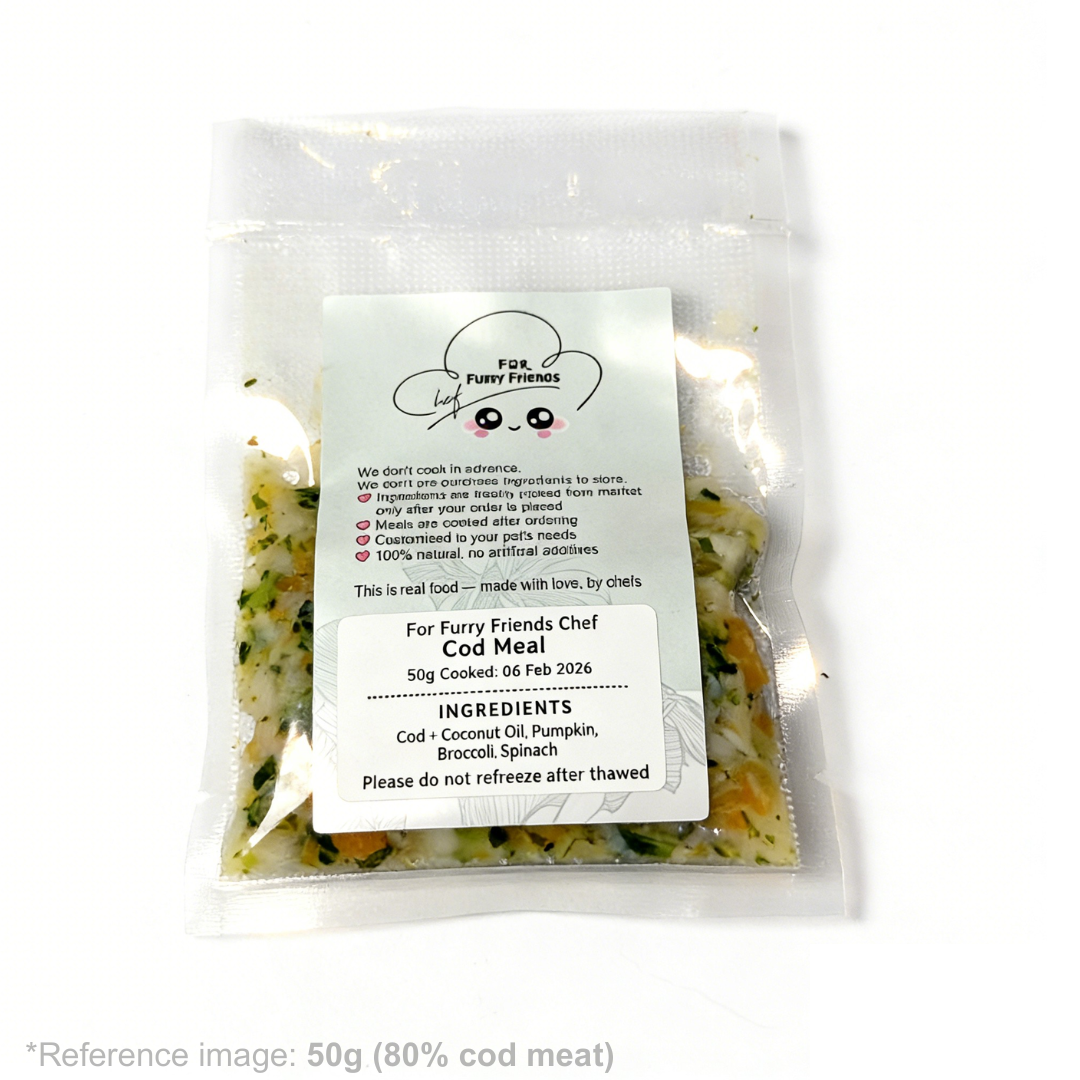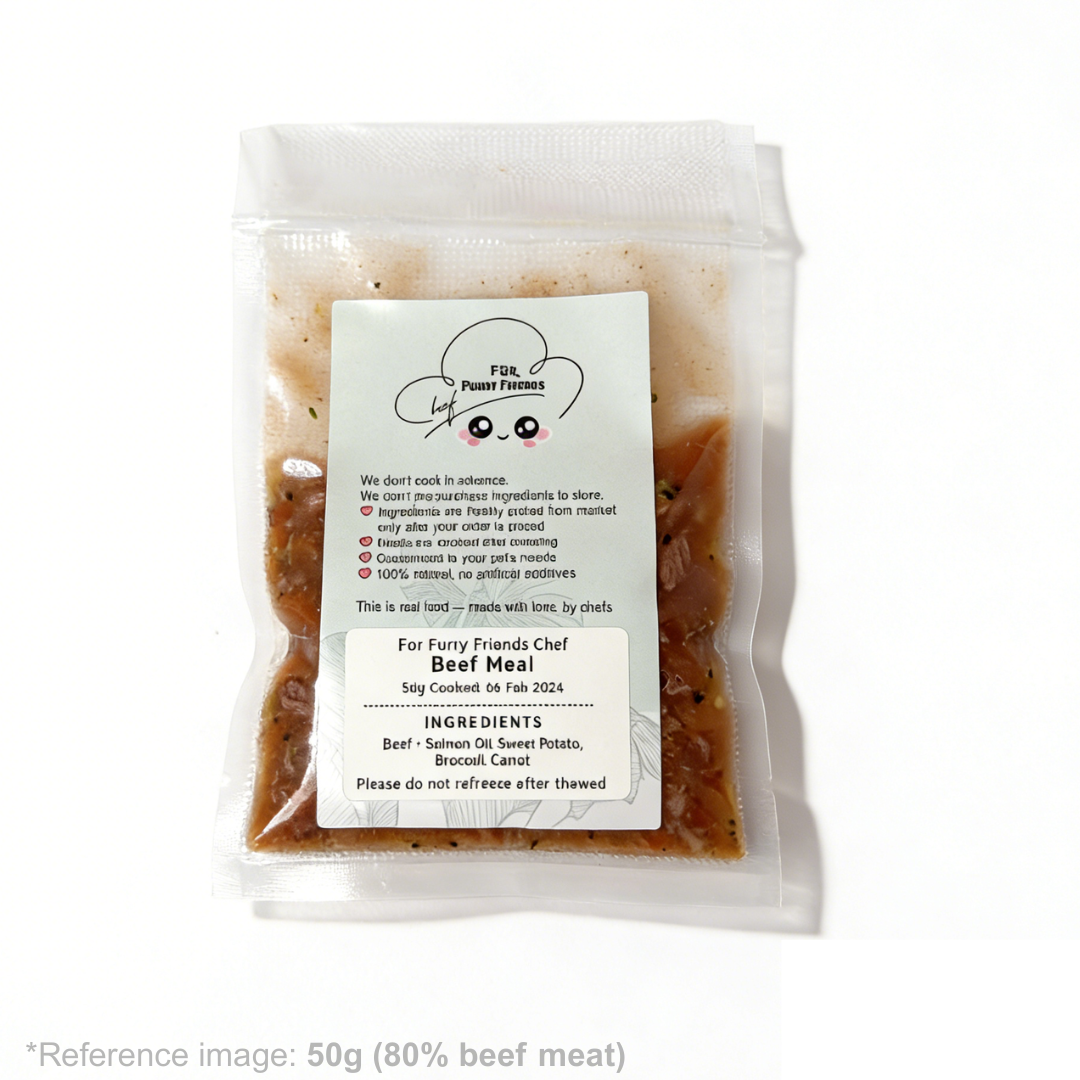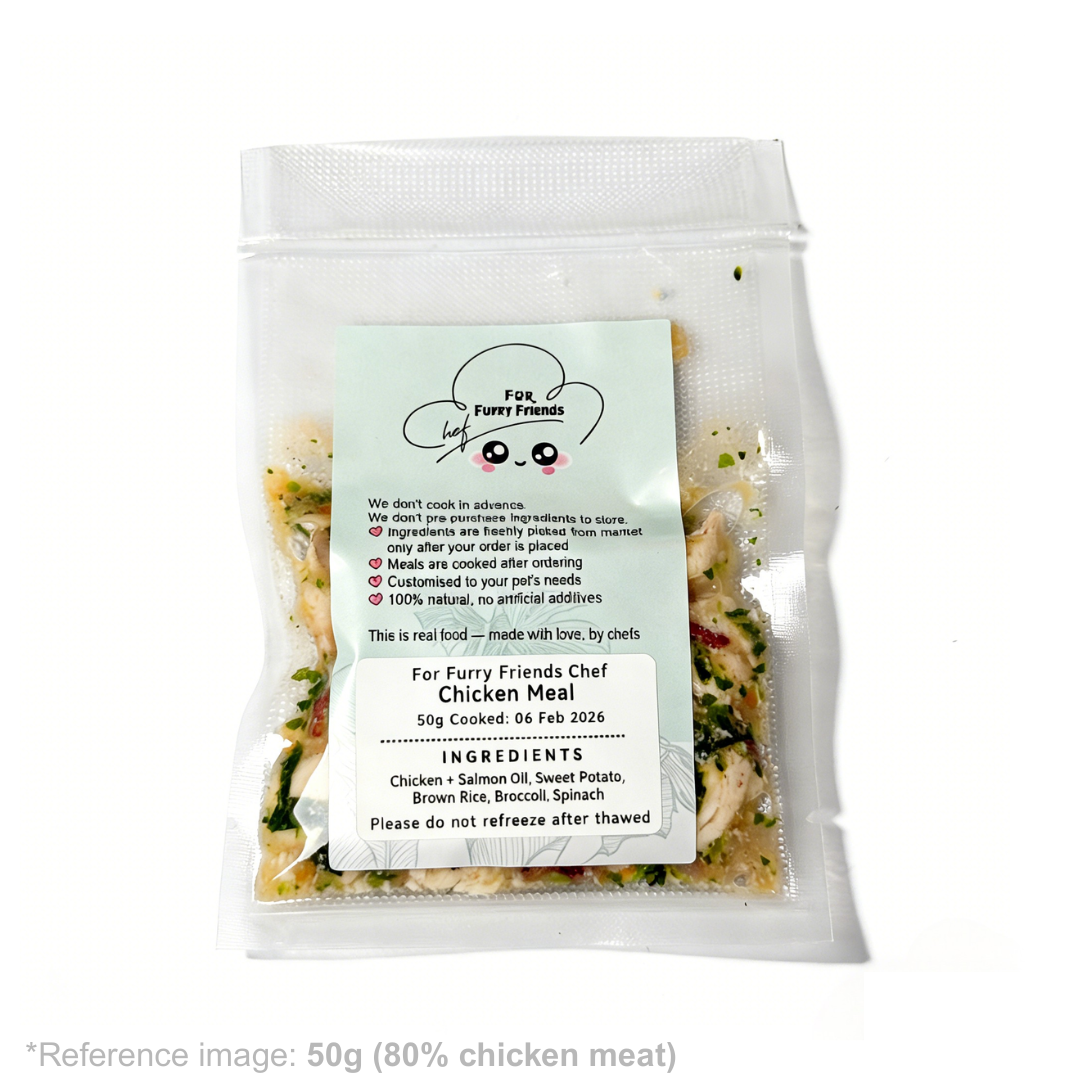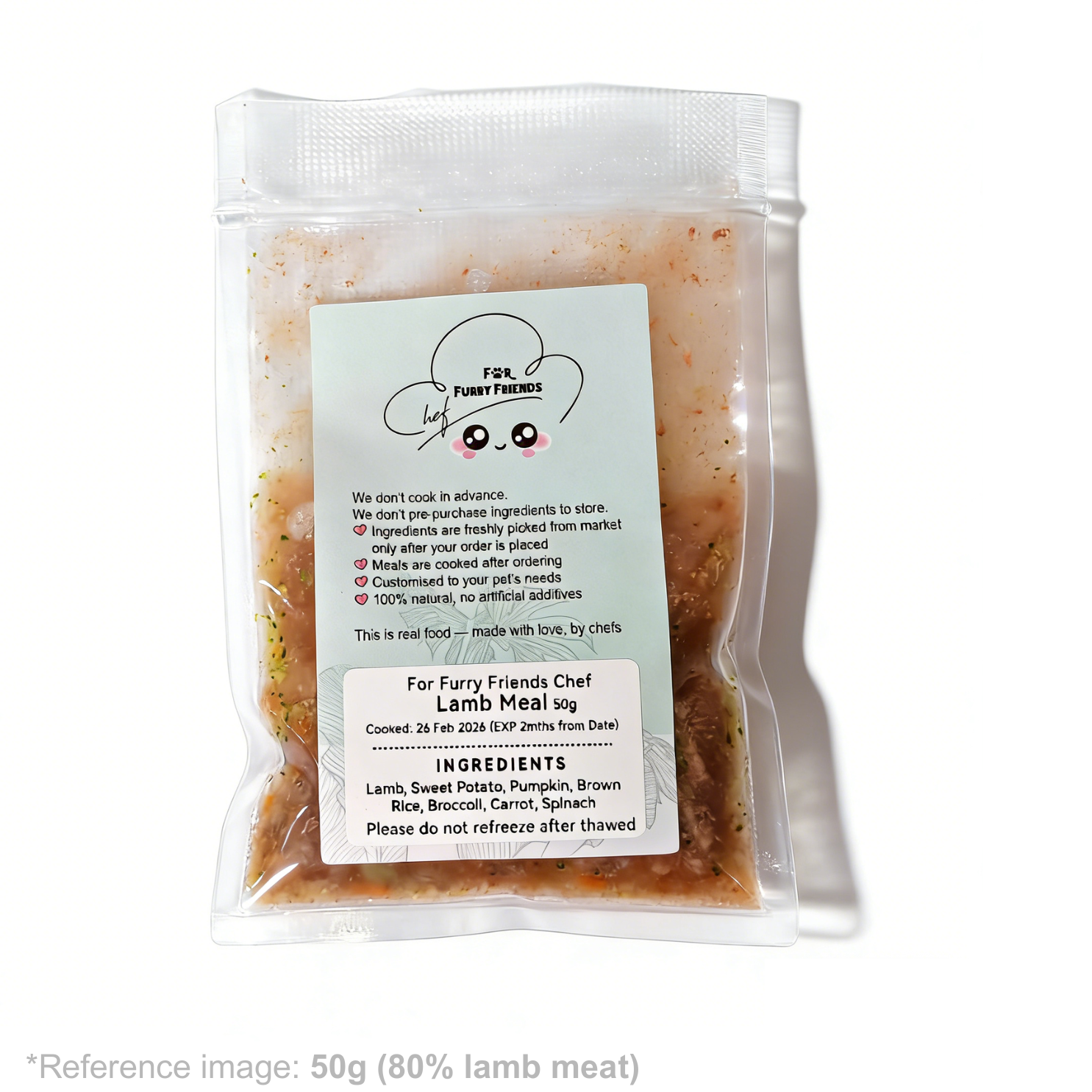


Food Allergies in Dogs and Cats: How to Observe, Manage, and Test Safely
Food allergies in dogs and cats are more common than many pet owners realise. They can cause ongoing discomfort, skin problems, and digestive upset if not properly identified. This article aims to help pet owners recognise signs of a possible food allergy, manage reactions at home, and prepare properly before food allergy testing to ensure the most accurate results.
Part 1: How to Observe Possible Food Allergies in Dogs and Cats
Common Signs of Food Allergies
Food allergies in pets are caused by an abnormal immune response to specific proteins (most often meat proteins). According to veterinary dermatology studies and clinical reports, skin-related symptoms are the most common presentation, rather than digestive issues alone.
The most frequently observed signs include:
Itchy skin (pruritus) – especially persistent or year-round itching
Red, swollen, or watery eyes
Swelling or redness around the mouth and lips
Itching, redness, or inflammation around the anal area
Excessive licking or chewing of paws
Recurrent ear infections
Hair loss, hot spots, or skin infections (secondary to scratching)
📌 Supporting veterinary findings
Veterinary dermatologists report that up to 70–90% of food allergy cases in dogs present with skin symptoms, particularly itching of the face, ears, paws, and perianal region. Cats often show facial itching, head and neck lesions, and excessive grooming.
Important Clarification
Digestive signs (vomiting, diarrhoea, soft stools) can occur, but they are less common than skin symptoms.
Food allergies do not always appear immediately after eating. Reactions may take days or weeks to develop, which is why observation over time is critical.
Part 2: How Pet Owners Can Handle Possible Food Allergies at Home
If you suspect your pet is reacting to food, here are safe first steps pet owners can take at home.
1. Observe and Document
Take note of:
What your pet eats (including treats and chews)
When symptoms appear
Which body areas are affected
Photos can be very helpful for comparison over time.
2. Stop All Non-Essential Foods
Remove treats, table scraps, flavoured supplements, and chews.
Feed only a simple, consistent diet until symptoms stabilise.
3. Prevent Further Skin Irritation
Keep the affected areas clean and dry.
Use gentle, pet-safe, chemical and fragrance-free grooming products.
Prevent excessive licking or scratching (use a cone if needed).
4. Do NOT Frequently Change Foods Randomly
Constant switching can worsen inflammation and make diagnosis harder.
Any diet change should be controlled and deliberate.
🚨 When to see a veterinarian immediately
Facial swelling affecting breathing
Severe vomiting or diarrhoea
Open wounds or infected skin
Sudden lethargy or pain
Part 3: What to Do Before Food Allergy Testing (Very Important)
Why External Factors Must Be Addressed First
Many pets show “allergy-like” symptoms that are not food-related. Environmental irritants and chemicals are common triggers.
Before starting any food allergy testing, pet owners should:
1. Review All Products Used on the Pet’s Body
Shampoo and conditioners
Wipes and sprays
Flea and tick products
These should be:
Pet-safe & Preservative-free
Free from harsh chemicals, fragrances, and unnecessary additives
Effective at removing bacteria and allergens without irritating the skin
2. Review Products Used Around the Pet
Floor cleaners
Dishwashing liquid used on food bowls
Laundry detergents for pet bedding, clothes, and soft toys
💡 Why this matters
Veterinary dermatology research shows that contact dermatitis and environmental allergies can closely mimic food allergy symptoms. If these factors are not controlled, food testing results can be misleading or inaccurate.
Part 4: Recommended Step-by-Step Food Allergy Testing (Elimination Diet)
Step 1: Single Protein Trial
Choose one single meat protein your pet has never eaten before, or you have 100% confidence that your pet won't have any reaction, if possible.
Feed only this protein, with:
No other meats (including meals and treats)
No carbs or vegetables
No treats (from other types of meat protein) or supplements
Duration: 1–2 weeks minimum
(Note: Many veterinarians recommend 6–8 weeks for full confirmation, but early reactions can still be observed within 1–2 weeks.)
🔄 If reactions occur:
Stop the protein
Allow symptoms to calm
Switch to a different single protein and observe again
Step 2: Add One Ingredient at a Time
Once the protein is confirmed safe:
Add one carbohydrate or vegetable
Feed for 1–2 weeks
Observe closely for any reaction
If symptoms appear:
Remove the new ingredient
Replace it with a different option
Observe again
Step 3: Build a Complete Diet Slowly
Continue adding one new ingredient at a time
Only proceed when the current ingredients show no adverse reactions
This step-by-step process continues until a balanced, well-tolerated diet is formed
⚠️ Key rule for accuracy
This controlled method greatly improves the reliability of identifying food allergies.
Final Notes for Pet Owners
Food allergy testing requires patience and consistency
Most reactions are caused by proteins, not grains
Environmental and contact allergens must be ruled out first
When done correctly, elimination diets are safe, effective, and informative
References
Olivry T, Mueller RS. Critically appraised topic on adverse food reactions of companion animals (3): Prevalence of cutaneous adverse food reactions in dogs and cats. BMC Veterinary Research. 2017;13:51. doi:10.1186/s12917-017-0973-z.
Mueller RS, Olivry T. Critically appraised topic on adverse food reactions of companion animals (6): Noncutaneous manifestations of adverse food reactions in dogs and cats. BMC Veterinary Research. 2018;14:341. doi:10.1186/s12917-018-1656-0.
Mueller RS, Olivry T, Prélaud P. Critically appraised topic on adverse food reactions of companion animals (1): Duration of elimination diets. BMC Veterinary Research. 2016;12:44. doi:10.1186/s12917-016-0673-8.
Hillier A, Griffin CE. The ACVD task force on canine atopic dermatitis (X): Relationship between canine atopic dermatitis and cutaneous adverse food reactions. Veterinary Immunology and Immunopathology. 2001;81(3–4):227–231. doi:10.1016/S0165-2427(01)00325-7.
Halliwell R. Feline allergic skin disease. Journal of Feline Medicine and Surgery. 2006;8(2):93–101. doi:10.1016/j.jfms.2005.11.002.
Scott DW, Miller WH, Griffin CE. Muller & Kirk’s Small Animal Dermatology. 7th ed. St. Louis, MO: Saunders Elsevier; 2013.